
 Image 1 of 4
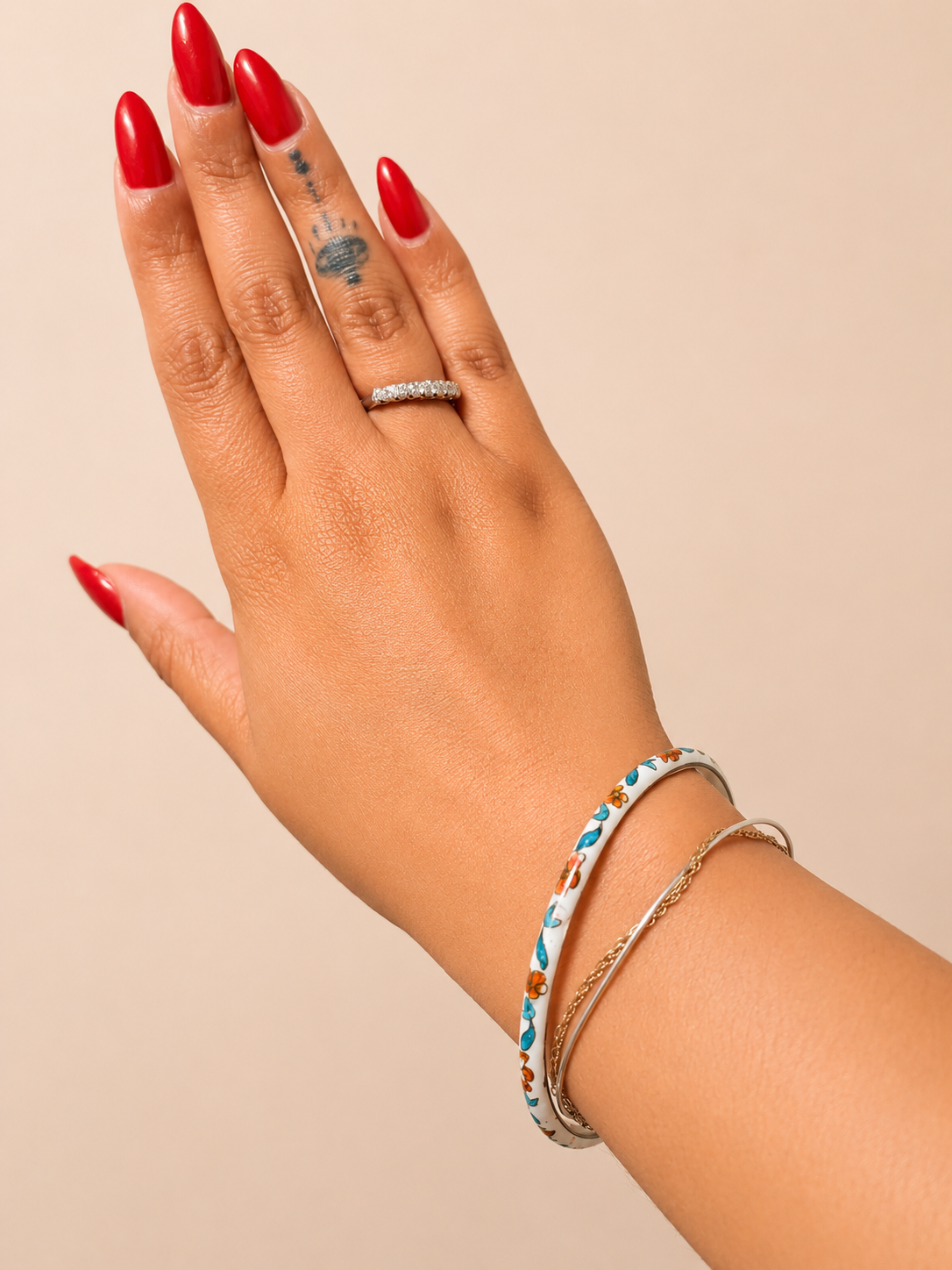 Image 2 of 4
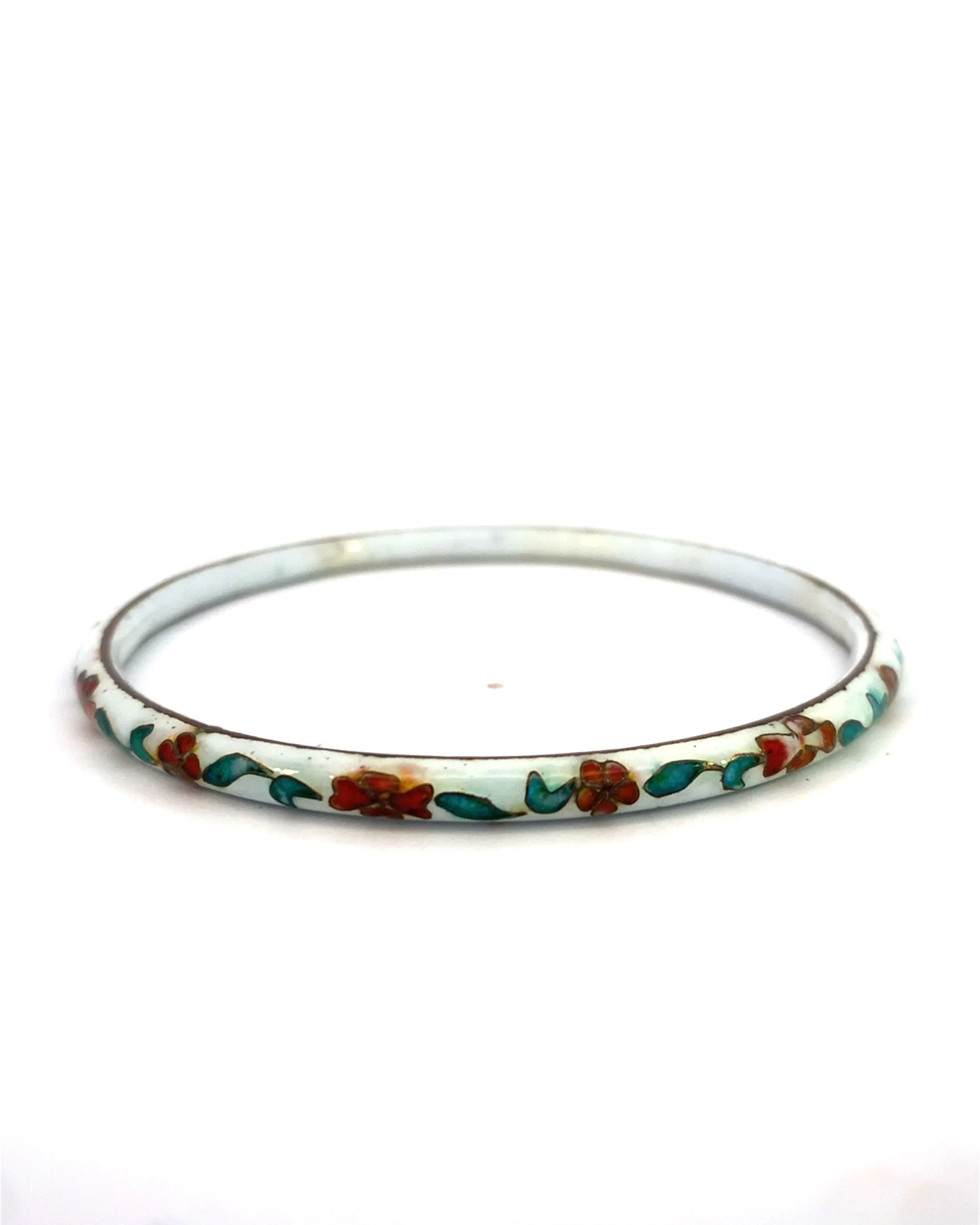 Image 3 of 4
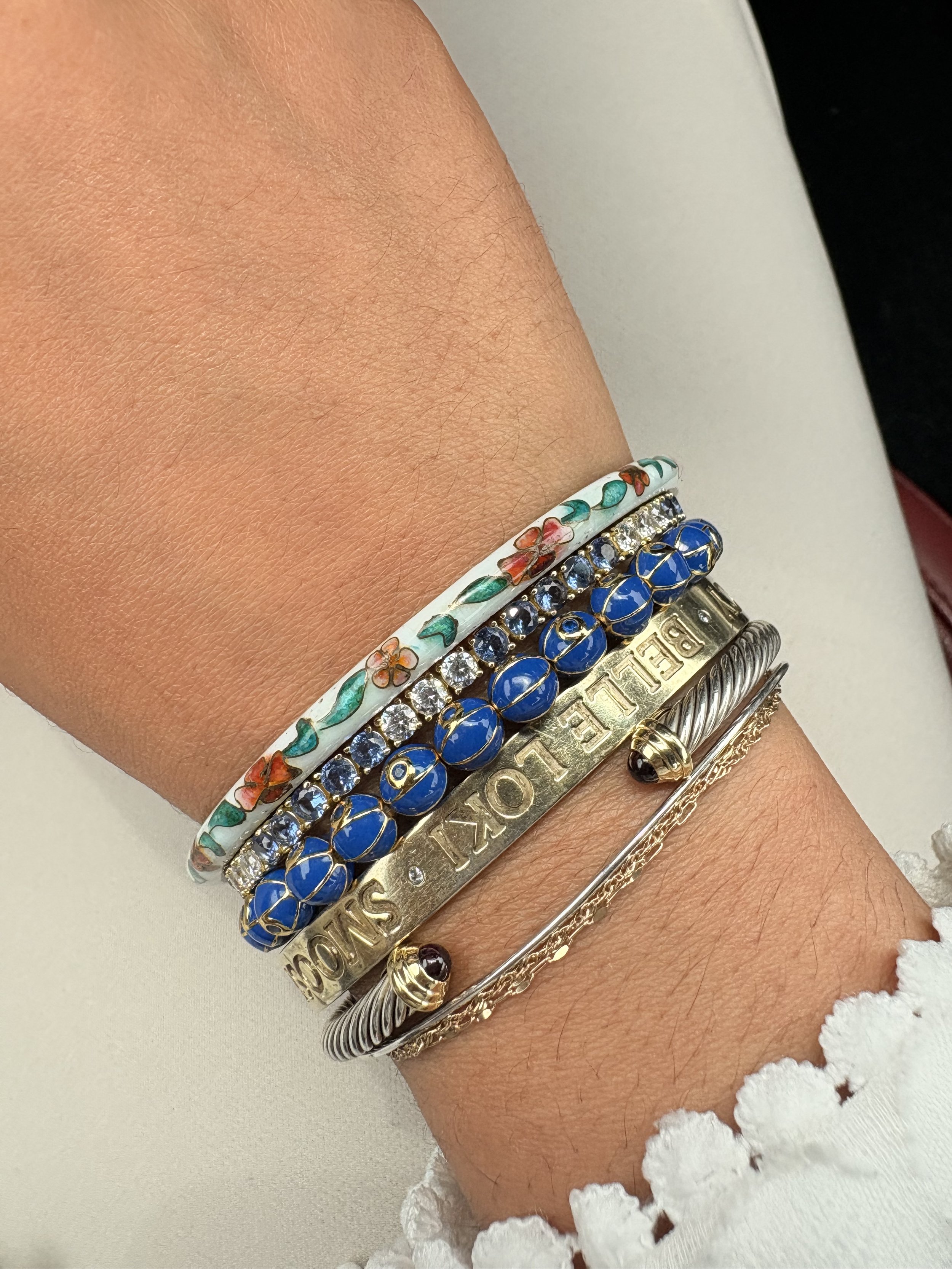 Image 4 of 4
Cloisonné is an ancient decorative art in which thin metal wires are shaped into compartments (cloisons) on a metal base, then filled with colored enamel and fired to create a smooth, vividly hued surface. Originating in the Middle East and flourishing in East Asia, cloisonné reached particular heights in China, where artisans across several dynasties refined the technique. The Ming and Qing dynasties are especially celebrated for producing elaborate cloisonné objects—vases, bowls, ritual items, and jewelry—distinguished by intricate patterns, rich color palettes, and meticulous craftsmanship.
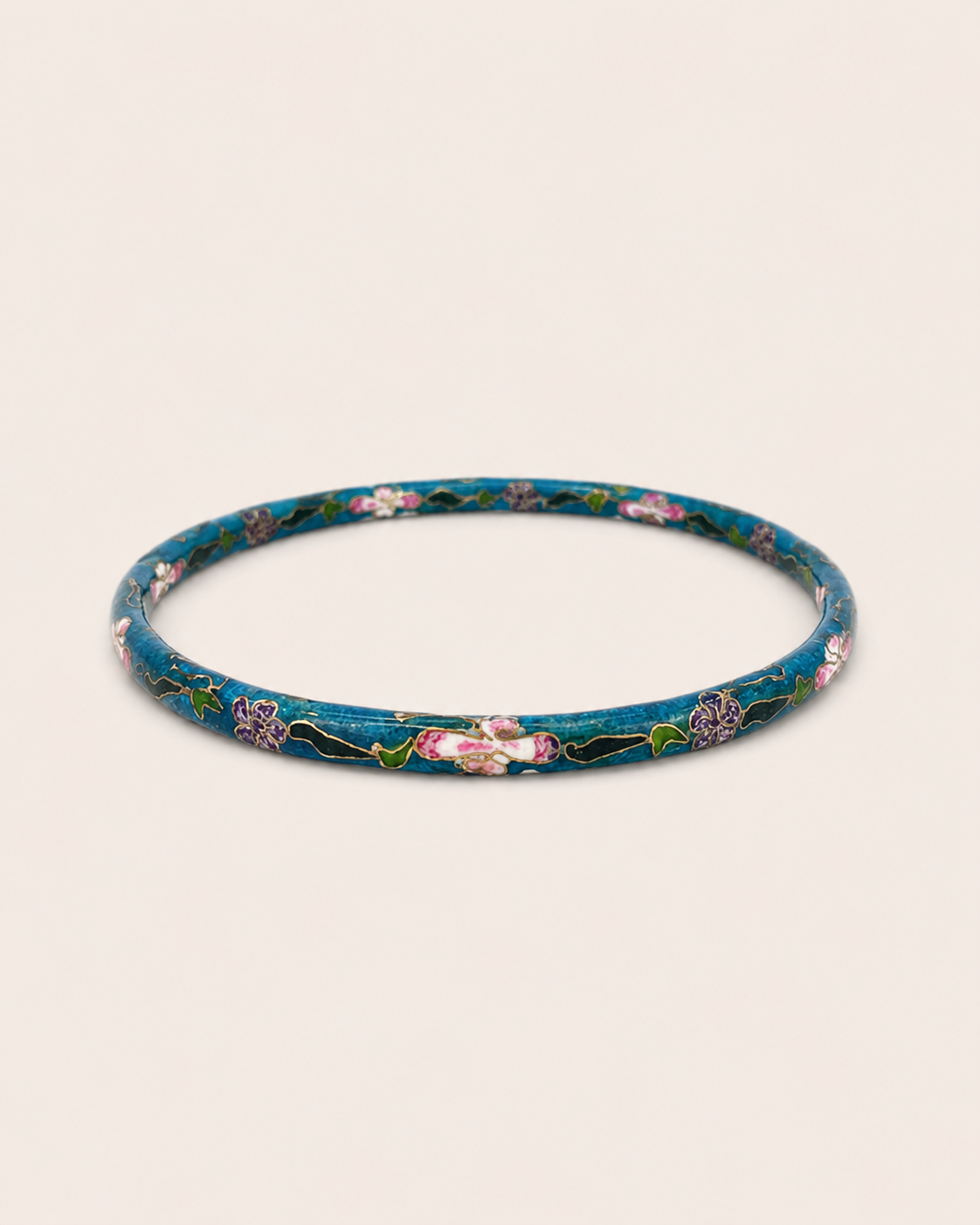
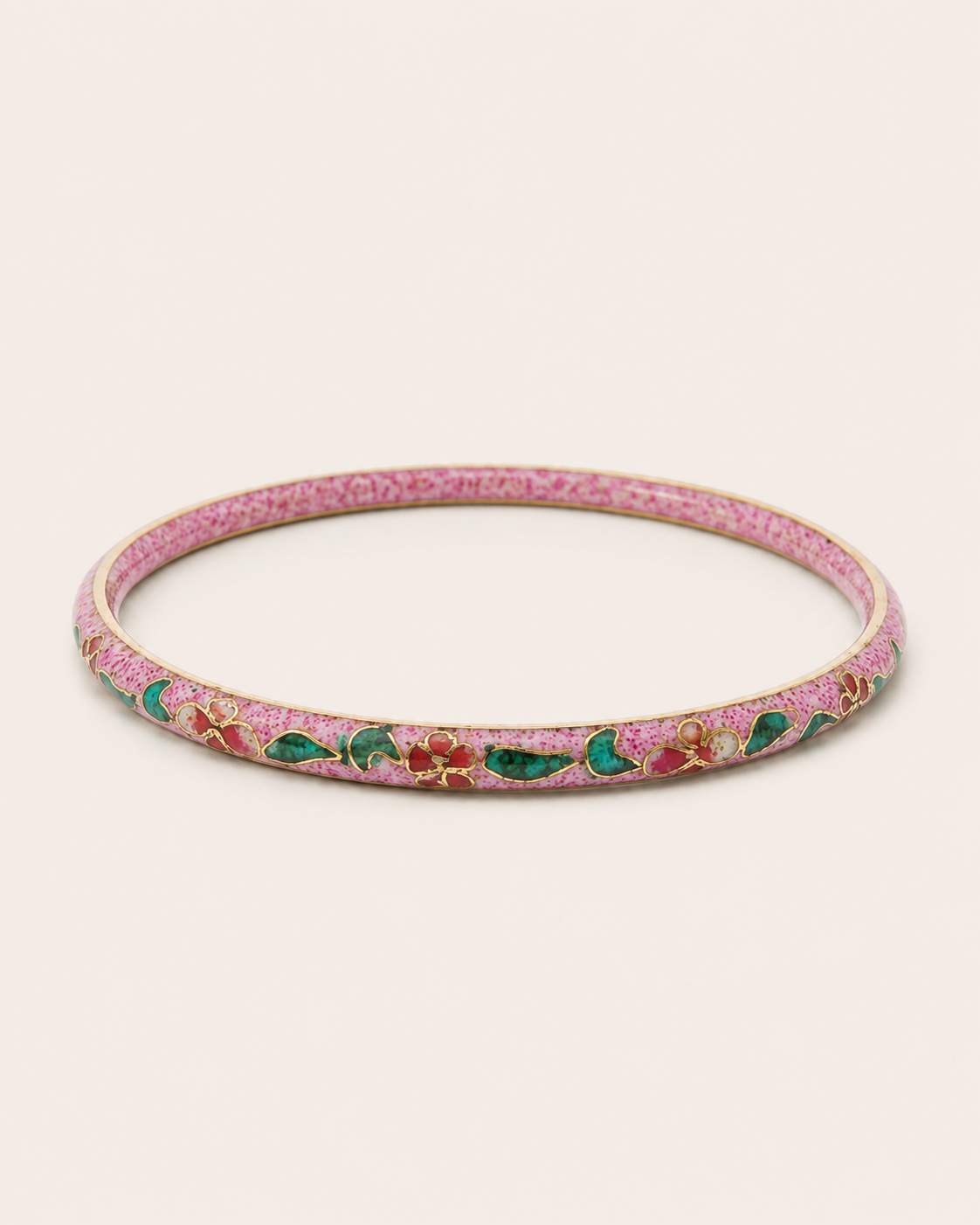
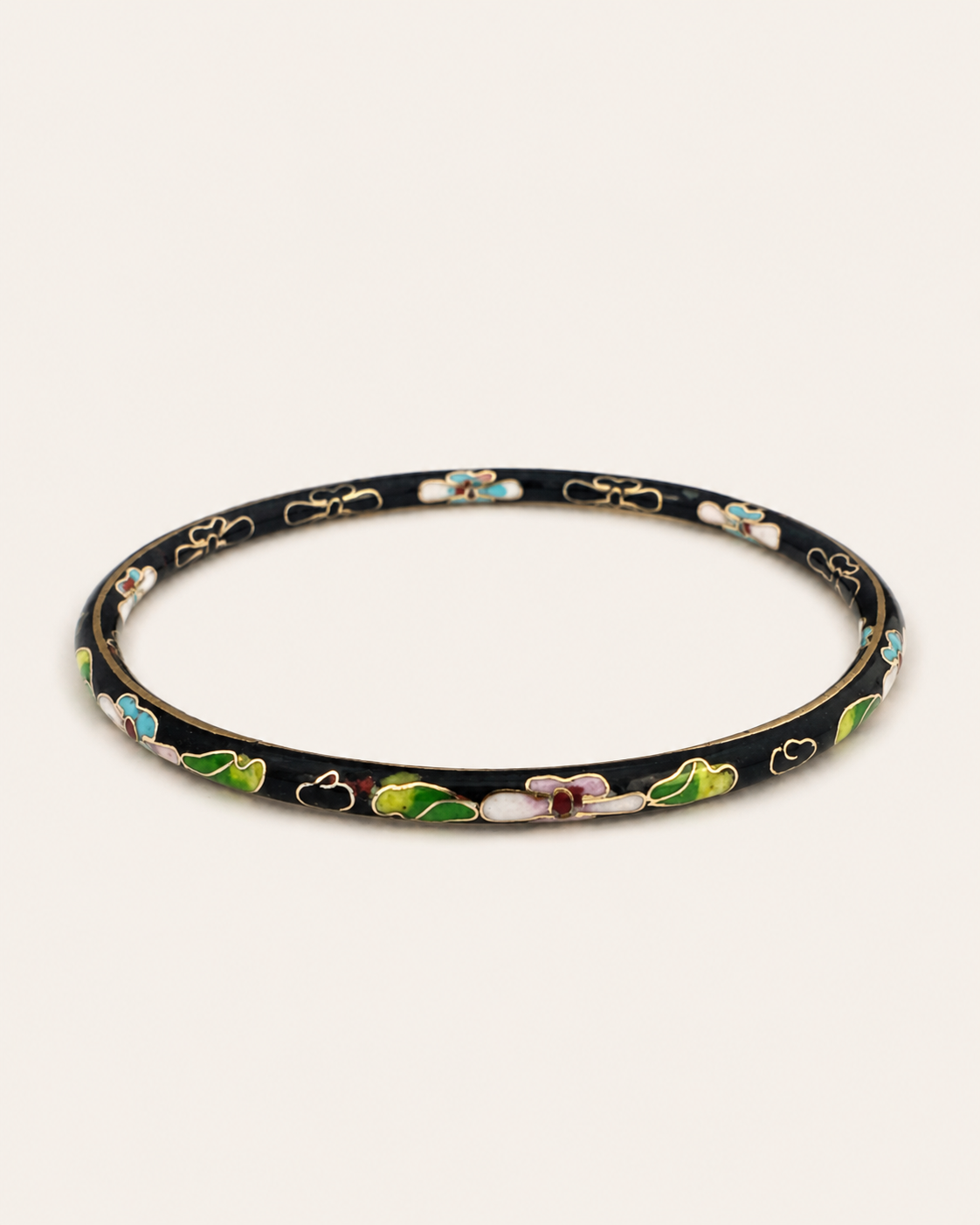
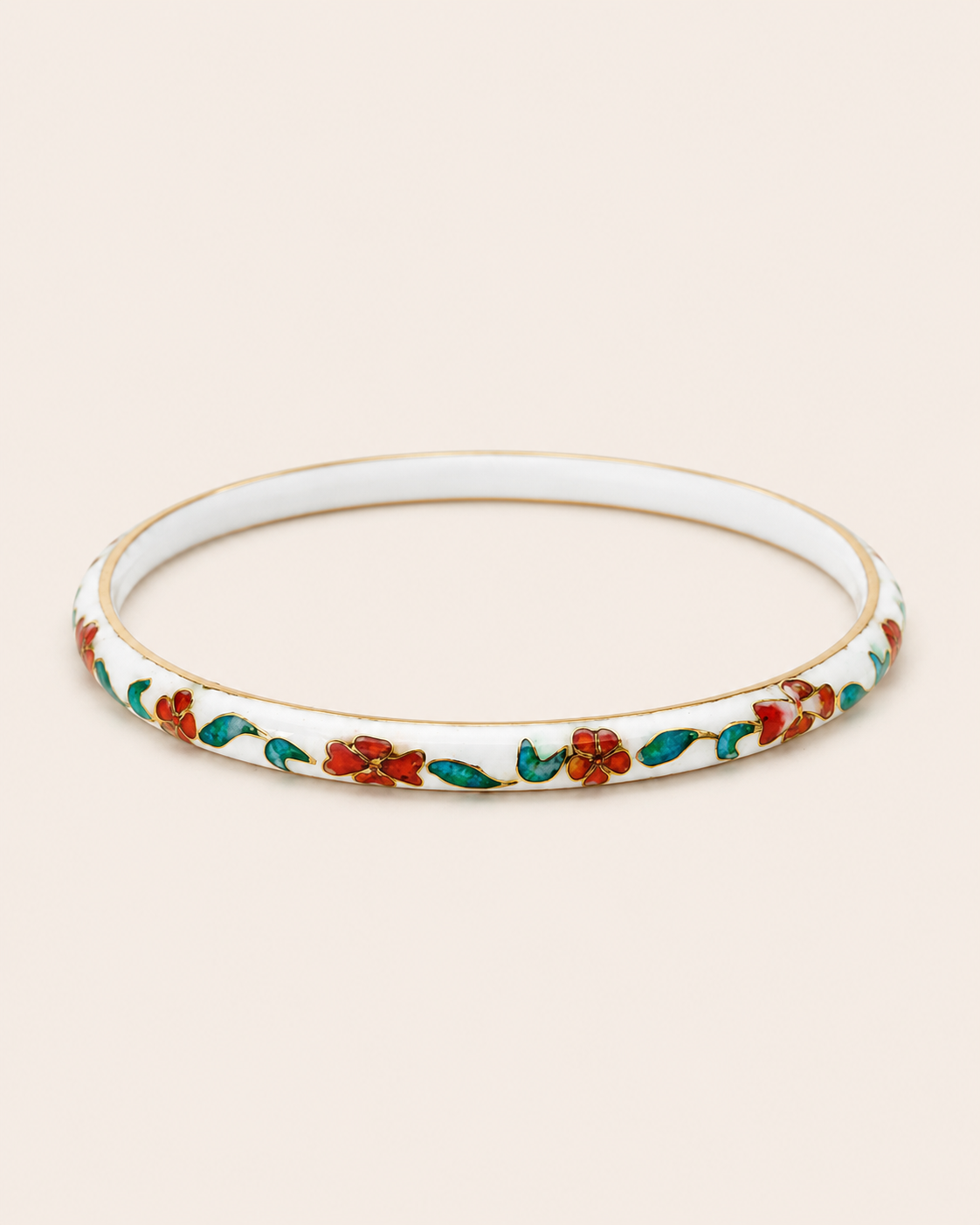
Bangles fashioned with enamel decoration have a long, cross-cultural history as personal adornments, markers of status, and ceremonial objects. In China and neighboring Southeast Asian regions such as Thailand (formerly Siam), enamel-decorated bangles were made both for local use and for export markets. Mid-20th-century examples frequently feature floral motifs painted on a white or pale background—an aesthetic that balances delicate patterning with high contrast, allowing the colors to stand out vividly.
Characteristics of mid-20th-century Chinese and Thai enamel bangles:
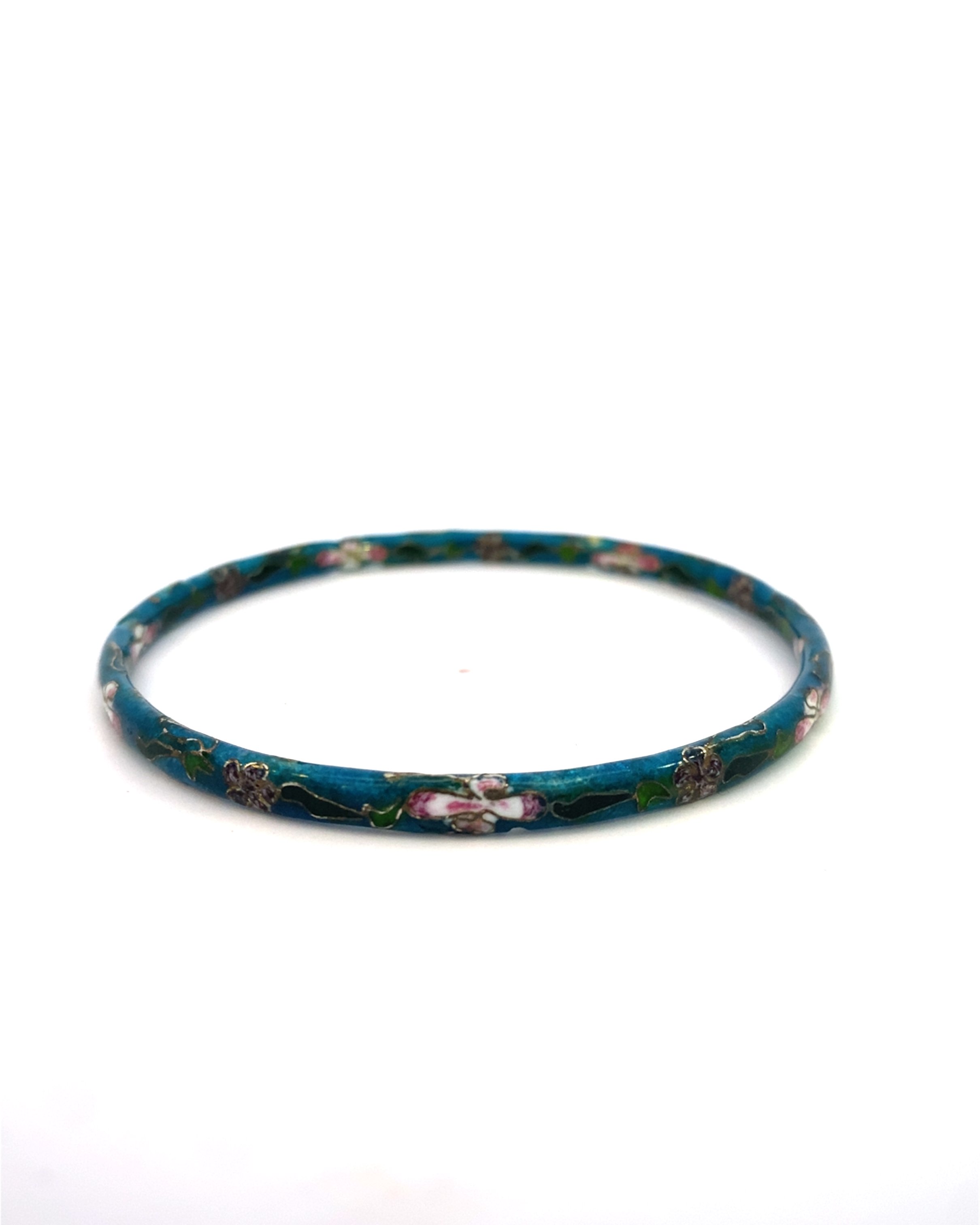
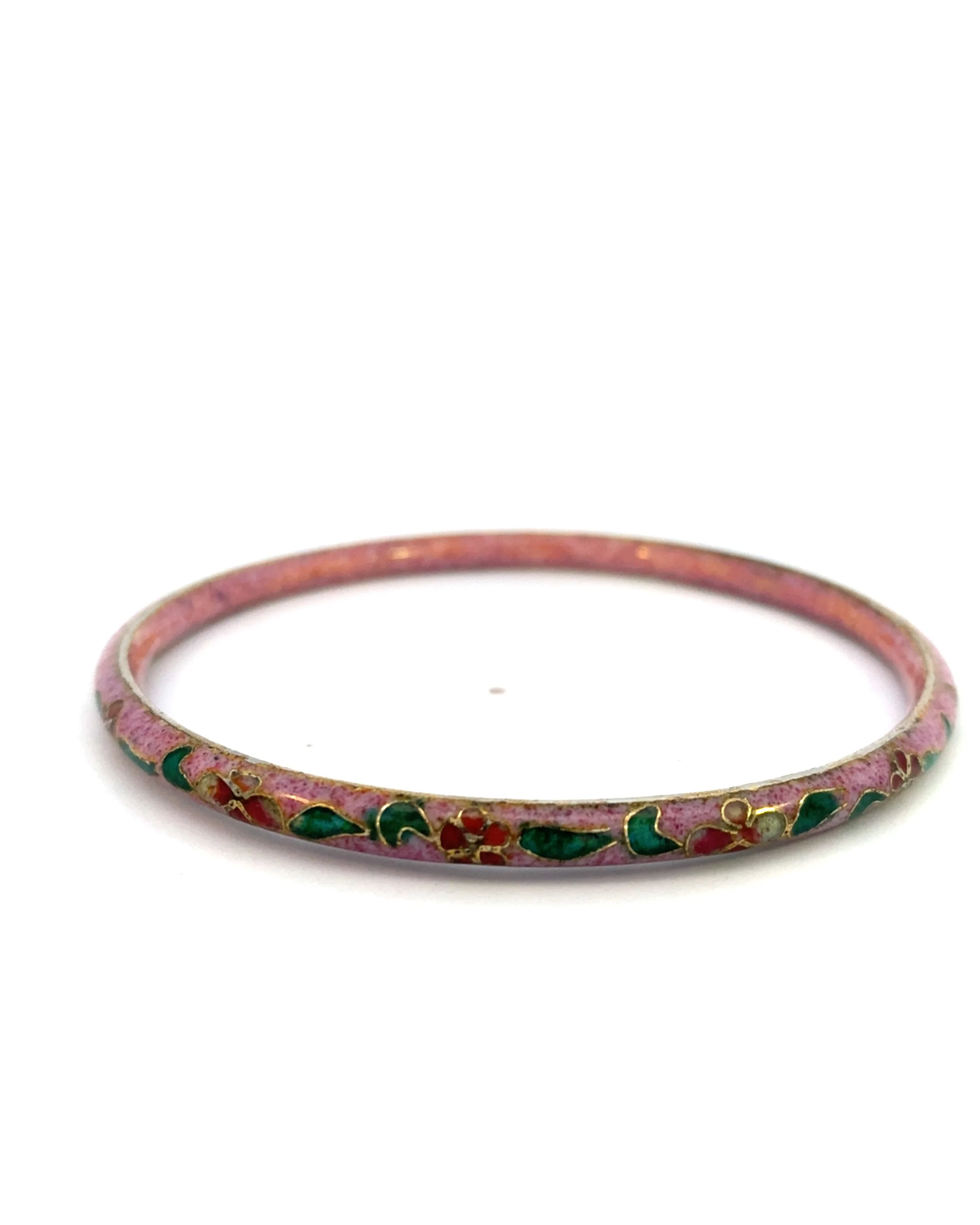
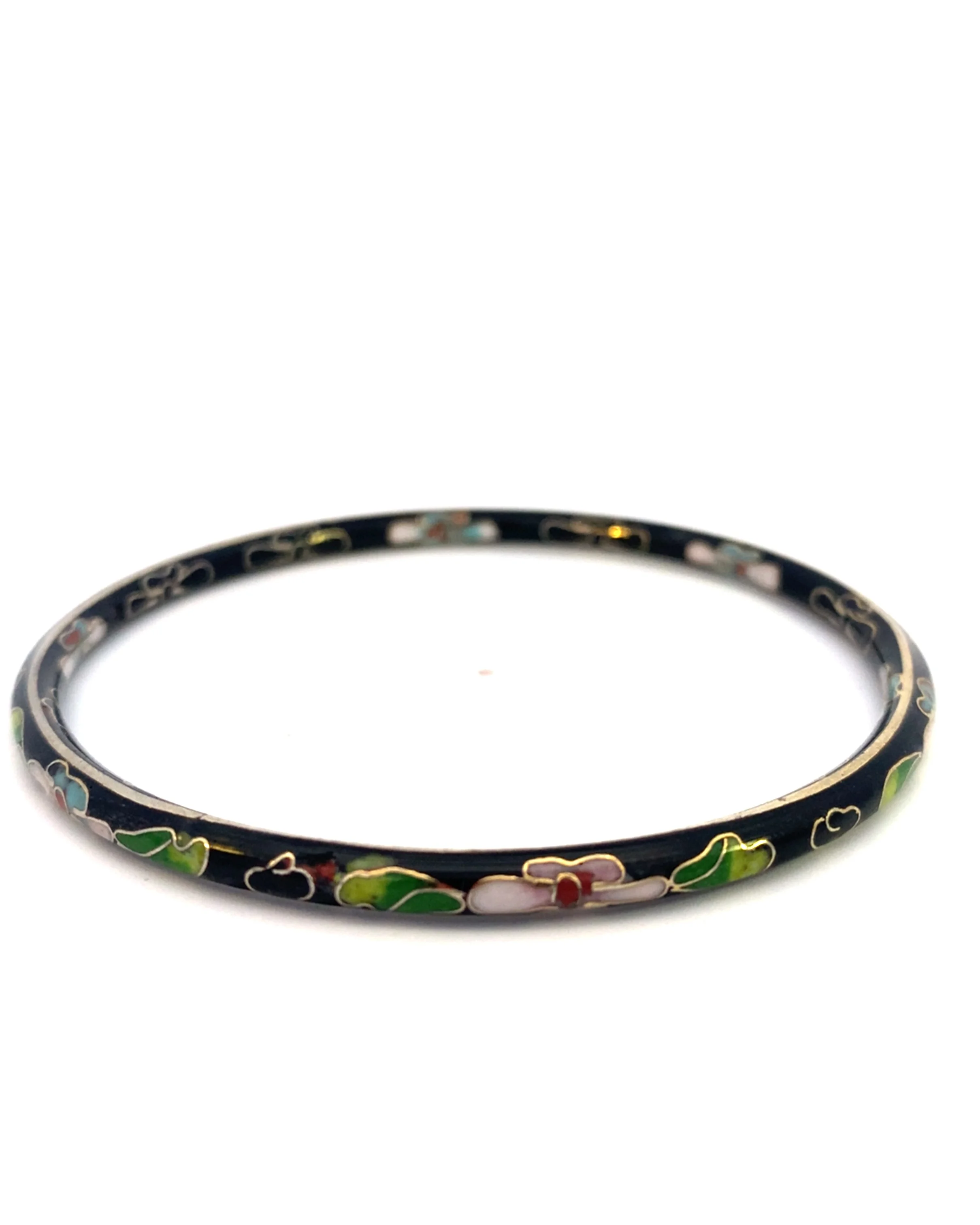
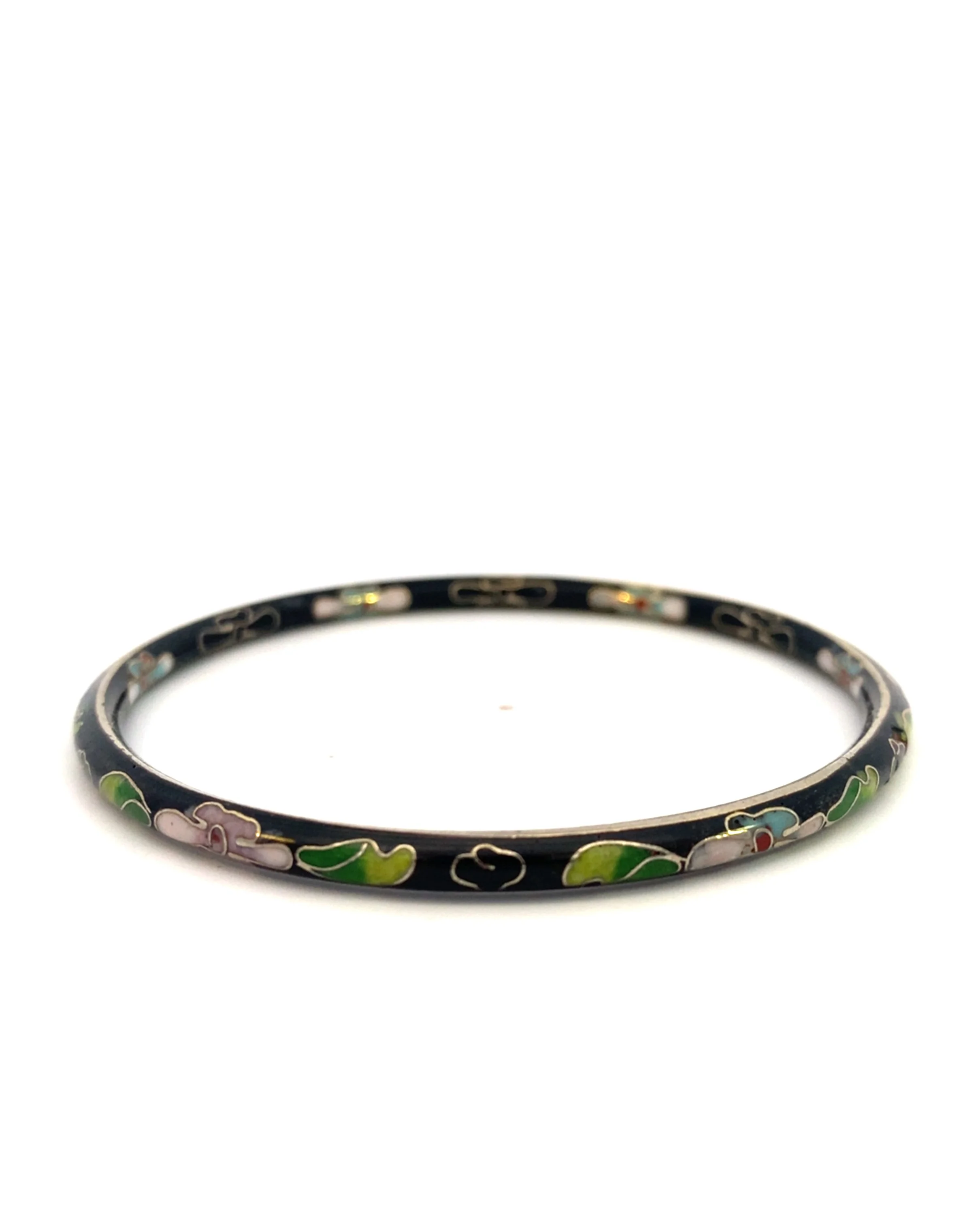
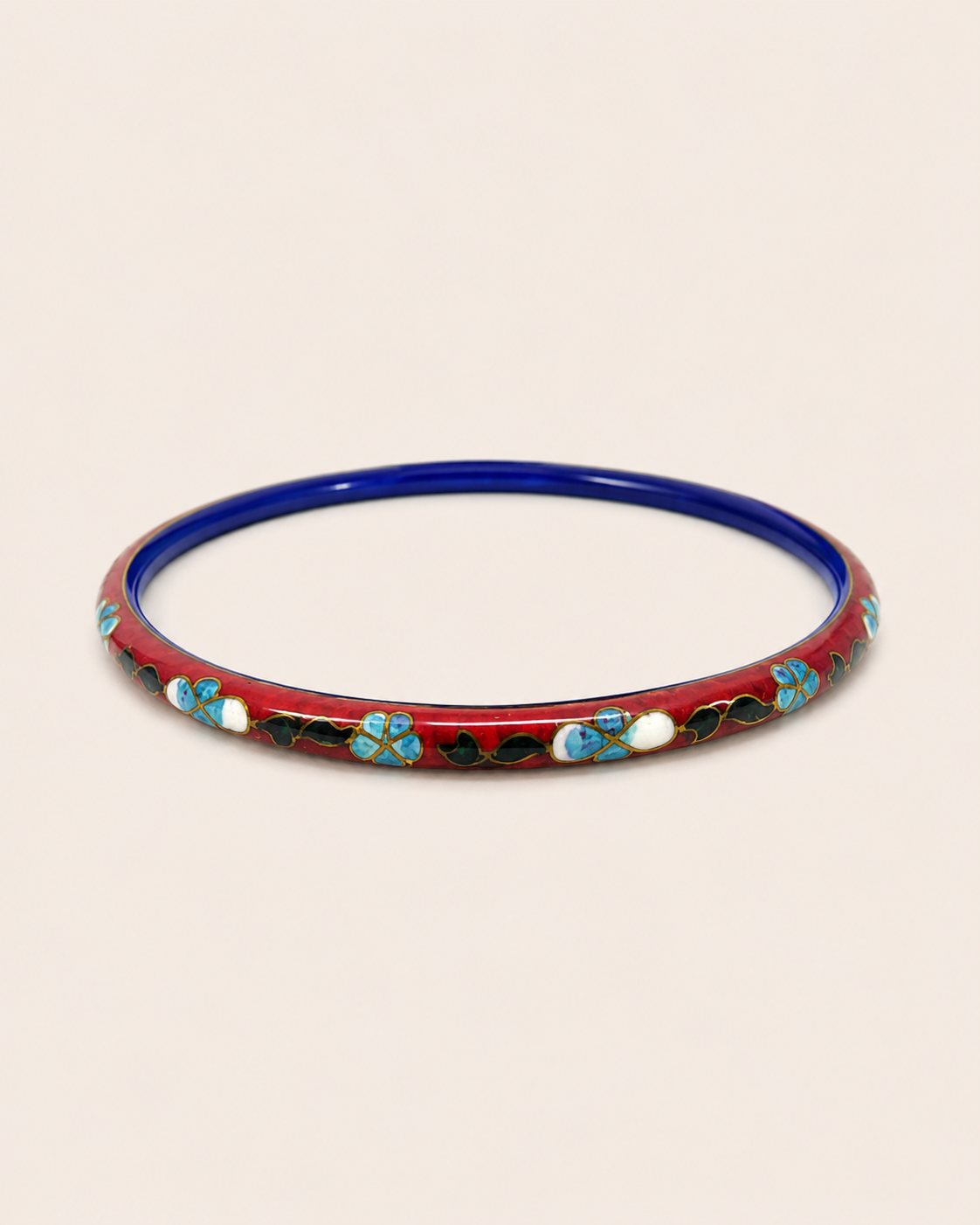
Floral motifs: stylized peonies, lotuses, plum blossoms, and small foliate sprigs are common, reflecting regional tastes and symbolic meanings (e.g., peony for prosperity, lotus for purity).
White or pale ground: a light background enhances color saturation and gives a clean, decorative look.
Metal framework: copper or brass bases are typical, with brass or copper wire forming the cloisons; some pieces may be gilded or lacquered.
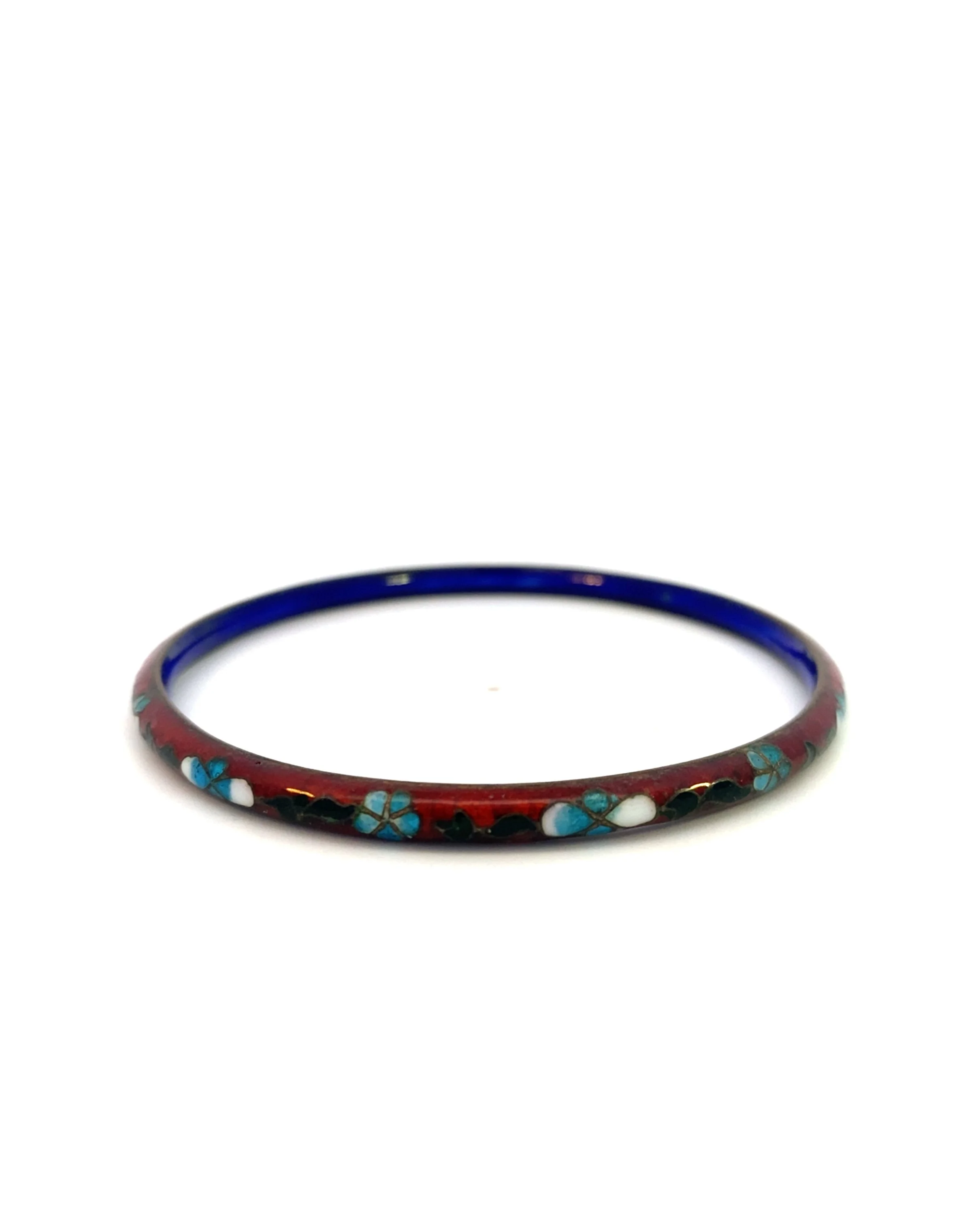
Enamel palette: bright blues, greens, reds, and yellows are frequent; translucency and layering techniques can create depth.
Production method: many mid-century pieces were hand-enamelled and kiln-fired, though some production adopted semi-industrial methods to meet export demand.
Wear and age signs: fine hairline crazing, minor enamel chips, and patina on metal edges are normal indicators of age and use.
Care and authentication tips:
Inspect edges and interior for maker’s marks, stamps, or handwritten notations—these can indicate workshop origin or export markets.
Look for consistent wire work and smooth enamel surfaces; sloppy or uneven cloisons and bubbling enamel can indicate lower-quality modern reproductions.
Handle with care: enamel can chip if struck; avoid ultrasonic cleaners and strong acids. Clean gently with a soft cloth and mild soap if needed.
Conservators can stabilize cracked or loose enamel; for valuable pieces, consult a qualified restorer before attempting repairs.
Collecting and styling notes:
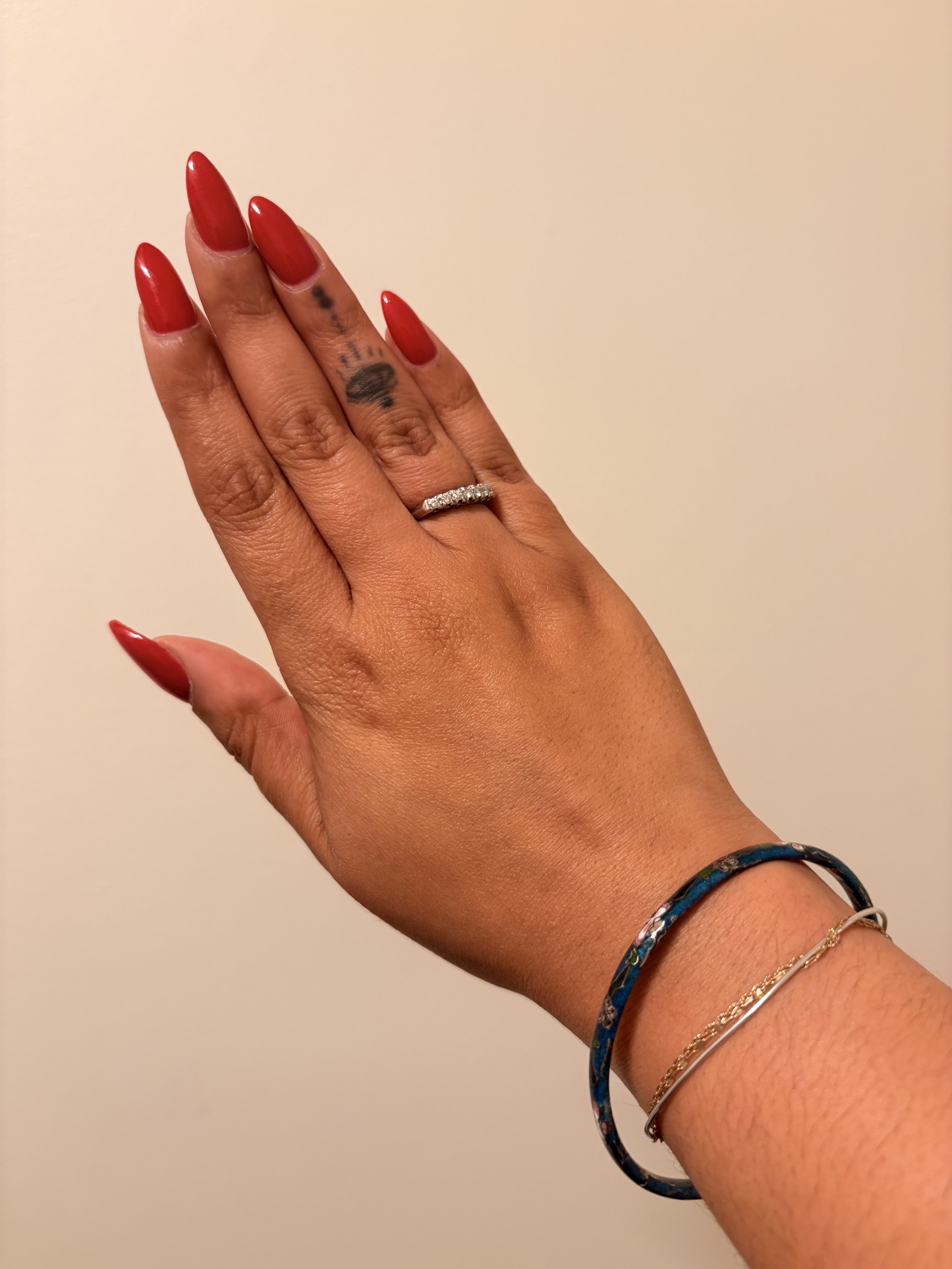
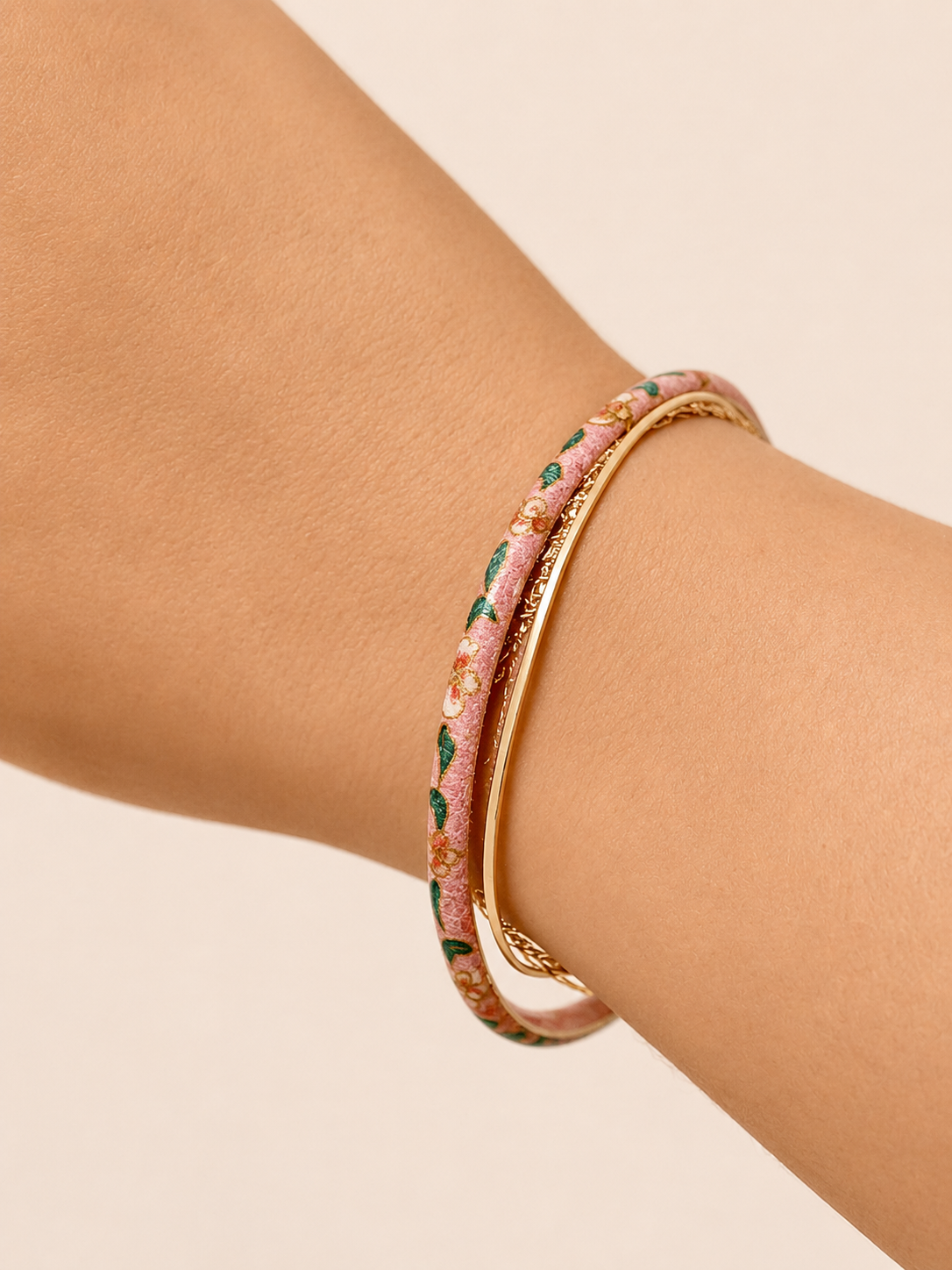
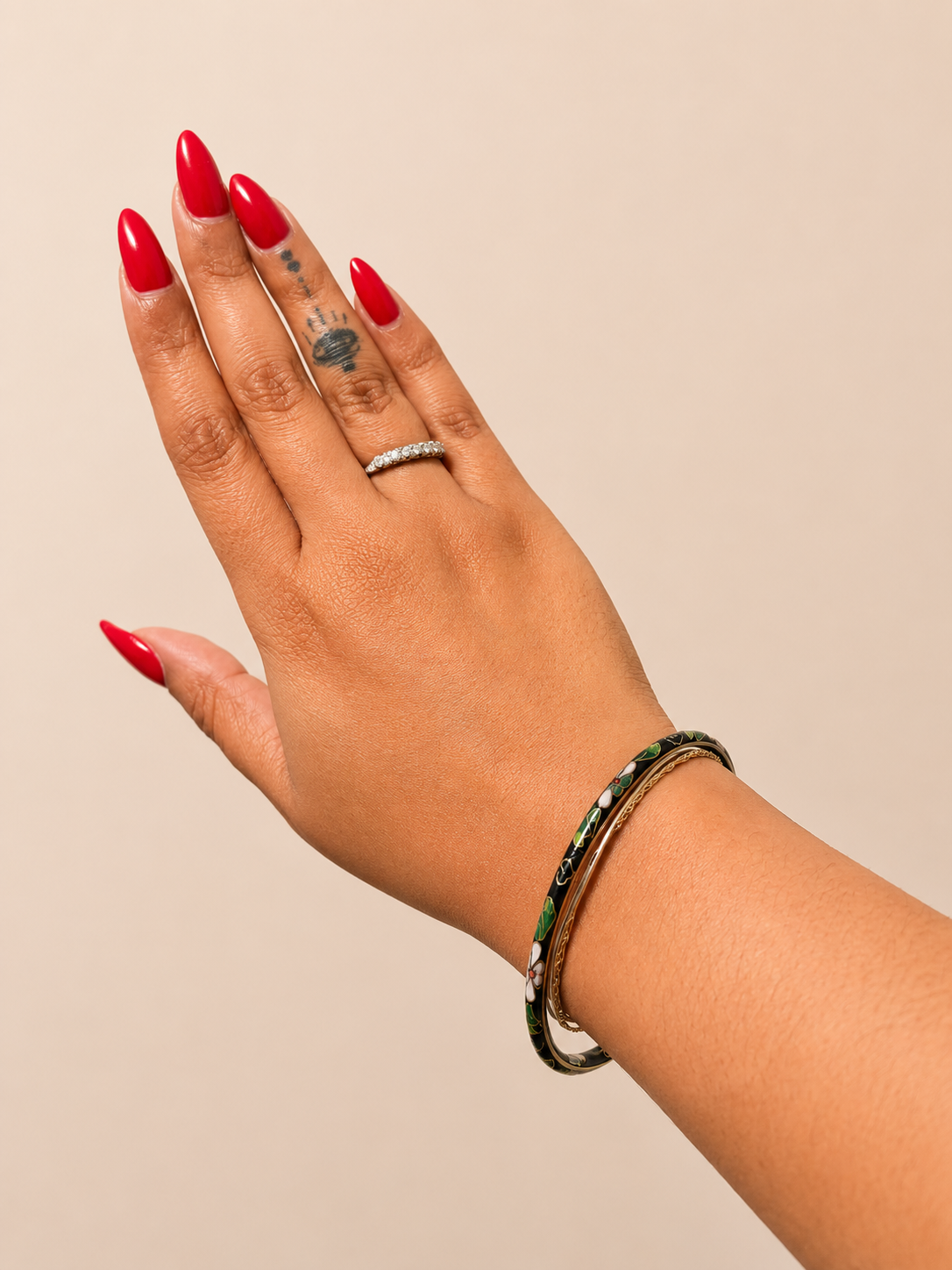
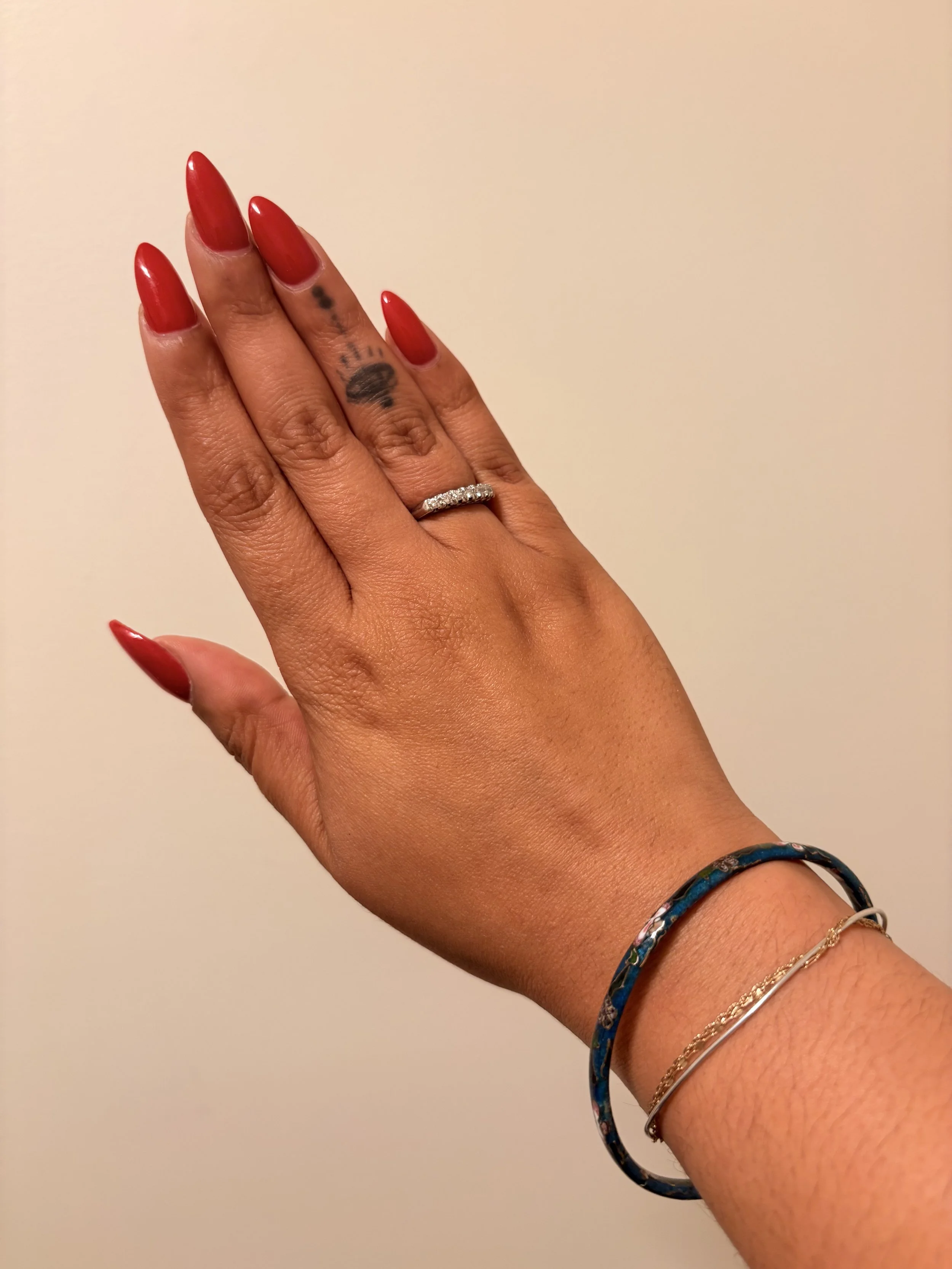
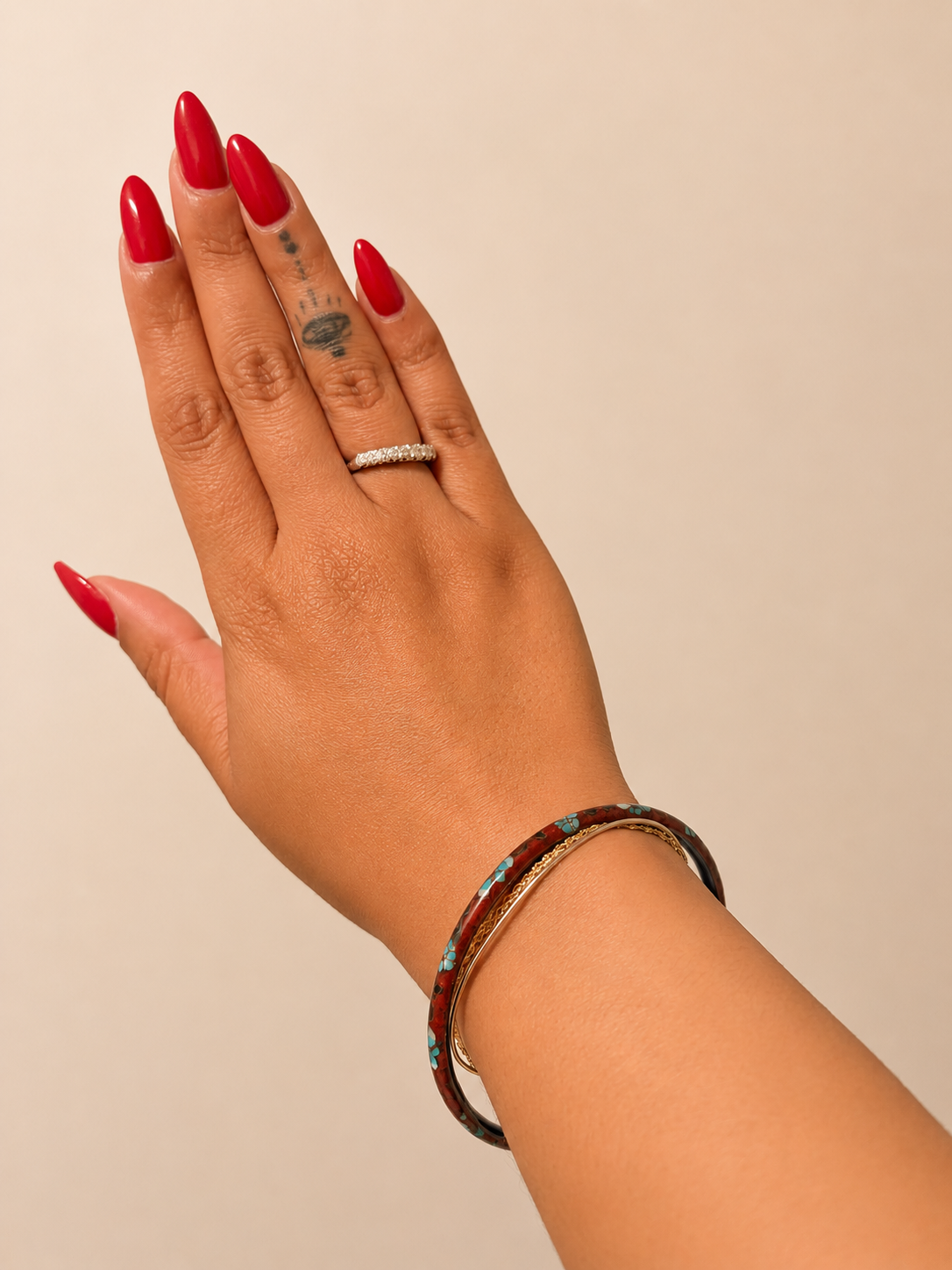
Cloisonné bangles make versatile wardrobe accents—stack with plain metal or lacquer bangles to highlight color, or let a single ornate bangle serve as a focal piece.
Cloisonné-enamel bangles connect centuries of tradition with wearable art. Whether admired for their historical lineage, decorative detail, or vibrant color, these pieces remain cherished examples of skilled handcraft and enduring aesthetic appeal.
Cloisonné is an ancient decorative art in which thin metal wires are shaped into compartments (cloisons) on a metal base, then filled with colored enamel and fired to create a smooth, vividly hued surface. Originating in the Middle East and flourishing in East Asia, cloisonné reached particular heights in China, where artisans across several dynasties refined the technique. The Ming and Qing dynasties are especially celebrated for producing elaborate cloisonné objects—vases, bowls, ritual items, and jewelry—distinguished by intricate patterns, rich color palettes, and meticulous craftsmanship.
Bangles fashioned with enamel decoration have a long, cross-cultural history as personal adornments, markers of status, and ceremonial objects. In China and neighboring Southeast Asian regions such as Thailand (formerly Siam), enamel-decorated bangles were made both for local use and for export markets. Mid-20th-century examples frequently feature floral motifs painted on a white or pale background—an aesthetic that balances delicate patterning with high contrast, allowing the colors to stand out vividly.
Characteristics of mid-20th-century Chinese and Thai enamel bangles:
Floral motifs: stylized peonies, lotuses, plum blossoms, and small foliate sprigs are common, reflecting regional tastes and symbolic meanings (e.g., peony for prosperity, lotus for purity).
White or pale ground: a light background enhances color saturation and gives a clean, decorative look.
Metal framework: copper or brass bases are typical, with brass or copper wire forming the cloisons; some pieces may be gilded or lacquered.
Enamel palette: bright blues, greens, reds, and yellows are frequent; translucency and layering techniques can create depth.
Production method: many mid-century pieces were hand-enamelled and kiln-fired, though some production adopted semi-industrial methods to meet export demand.
Wear and age signs: fine hairline crazing, minor enamel chips, and patina on metal edges are normal indicators of age and use.
Care and authentication tips:
Inspect edges and interior for maker’s marks, stamps, or handwritten notations—these can indicate workshop origin or export markets.
Look for consistent wire work and smooth enamel surfaces; sloppy or uneven cloisons and bubbling enamel can indicate lower-quality modern reproductions.
Handle with care: enamel can chip if struck; avoid ultrasonic cleaners and strong acids. Clean gently with a soft cloth and mild soap if needed.
Conservators can stabilize cracked or loose enamel; for valuable pieces, consult a qualified restorer before attempting repairs.
Collecting and styling notes:
Cloisonné bangles make versatile wardrobe accents—stack with plain metal or lacquer bangles to highlight color, or let a single ornate bangle serve as a focal piece.
Cloisonné-enamel bangles connect centuries of tradition with wearable art. Whether admired for their historical lineage, decorative detail, or vibrant color, these pieces remain cherished examples of skilled handcraft and enduring aesthetic appeal.