
The Sparkling Past: A Fun & Fascinating History of Old Mine Cut Diamonds
Old mine cut diamonds have a charm that’s instantly recognizable—high crowns, small tables, chunky facets, and a warm candlelit sparkle that modern diamonds just can’t imitate. But beyond their beauty lies a story filled with human history: hand tools, global trade routes, glittering courts, and even a little chaos.
Let’s dig (pun intended!) into how old mine cuts came to be, why they look the way they do, and how these gems lived glamorous lives long before becoming the treasures in today’s vintage jewelry collections.
✨ What Exactly Is an Old Mine Cut?
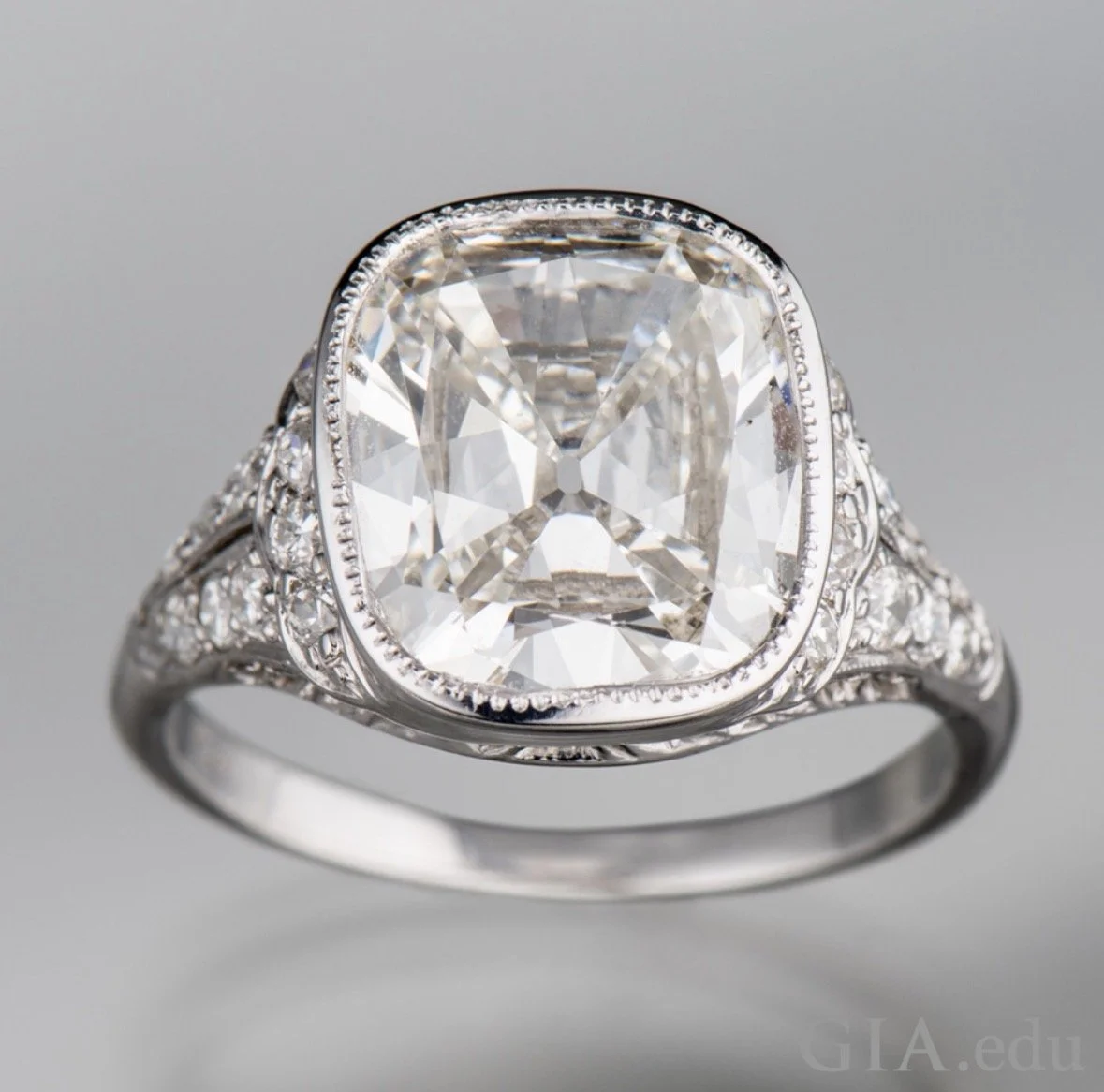
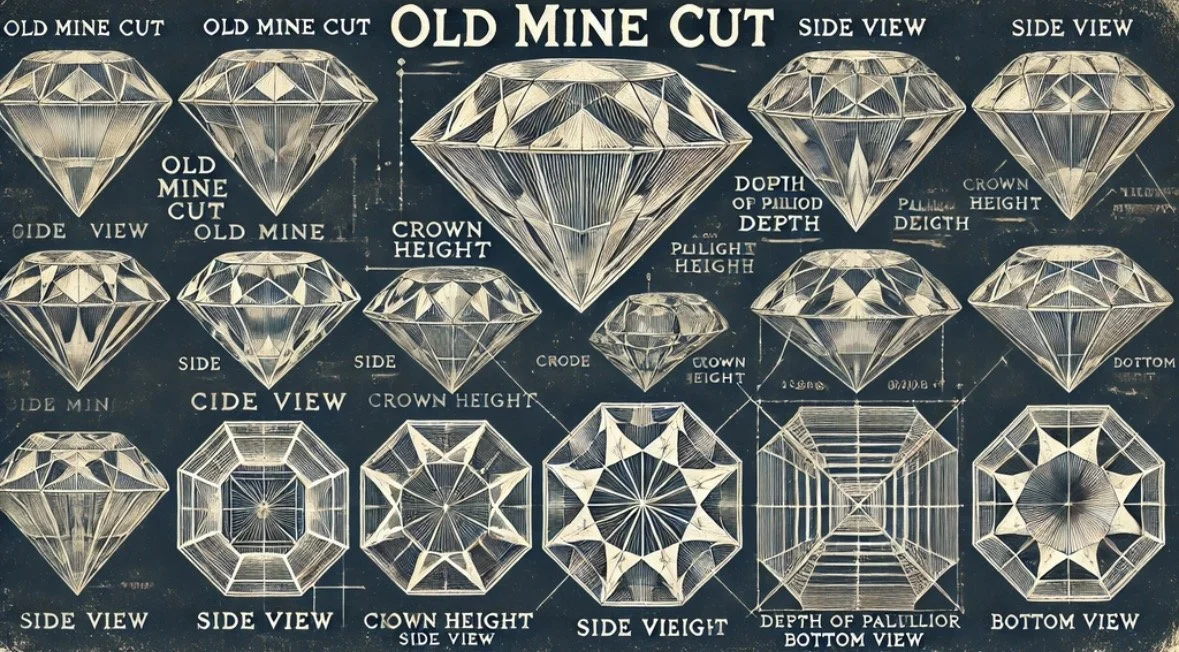
Before lasers, mathematical brilliance formulas, and precision cutting robots, diamonds were shaped by human hands—literally. The old mine cut was the dominant diamond shape from the early 1700s through the late 1800s, especially during the Georgian and Victorian eras.
You can spot one by its signature traits:
High crown
Small table
“Chunky” hand-cut facets
Deep pavilion
A soft square shape with rounded corners
That cozy candlelight sparkle
These cuts were designed not for LED spotlights (which didn’t exist yet!) but to shimmer beautifully in firelit rooms.
Origins: When Diamond Cutting Was Basically an Extreme Sport
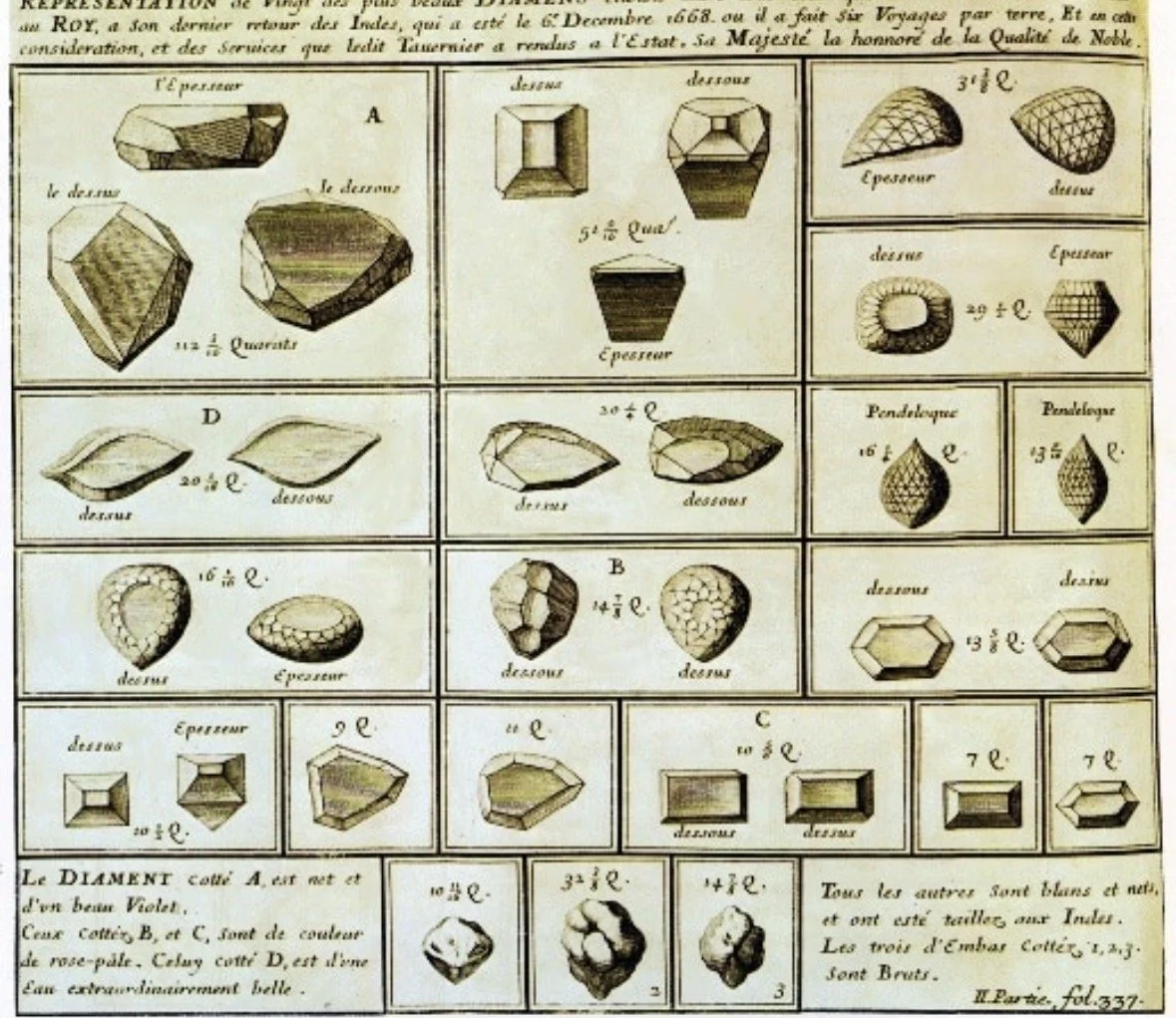
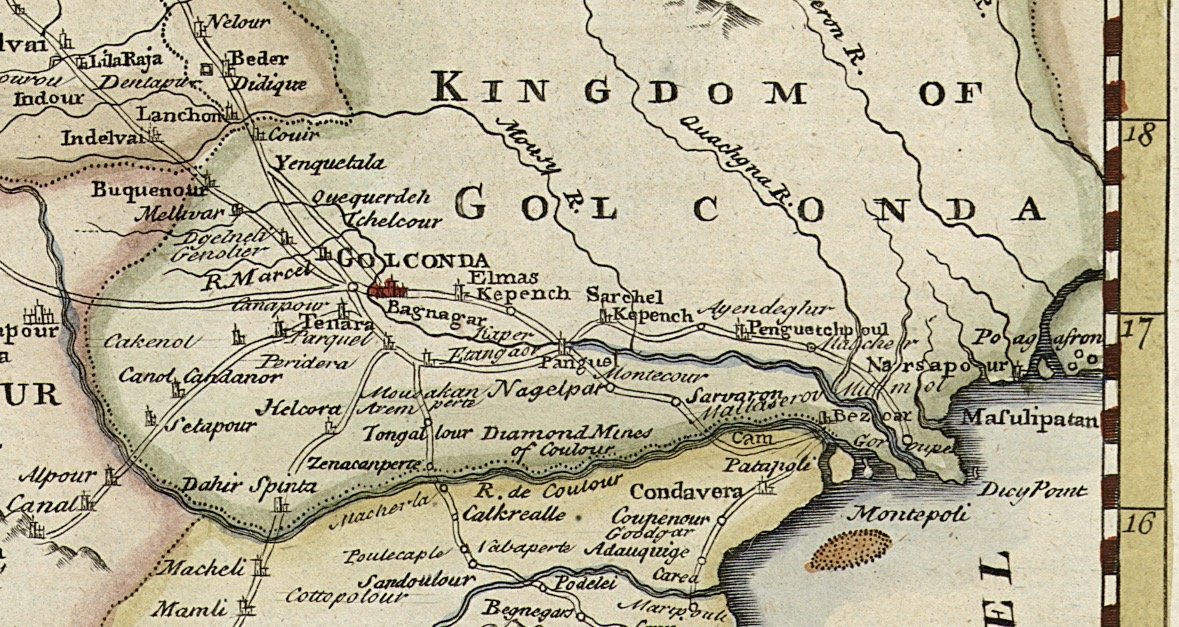
Before South African mines were discovered, nearly every diamond in the world originated from:
India’s legendary Golconda mines
Brazilian mines, discovered in the early 1700s
The term “old mine” actually referred to these early sources—the old mines—before new deposits changed the market.
In these early centuries:
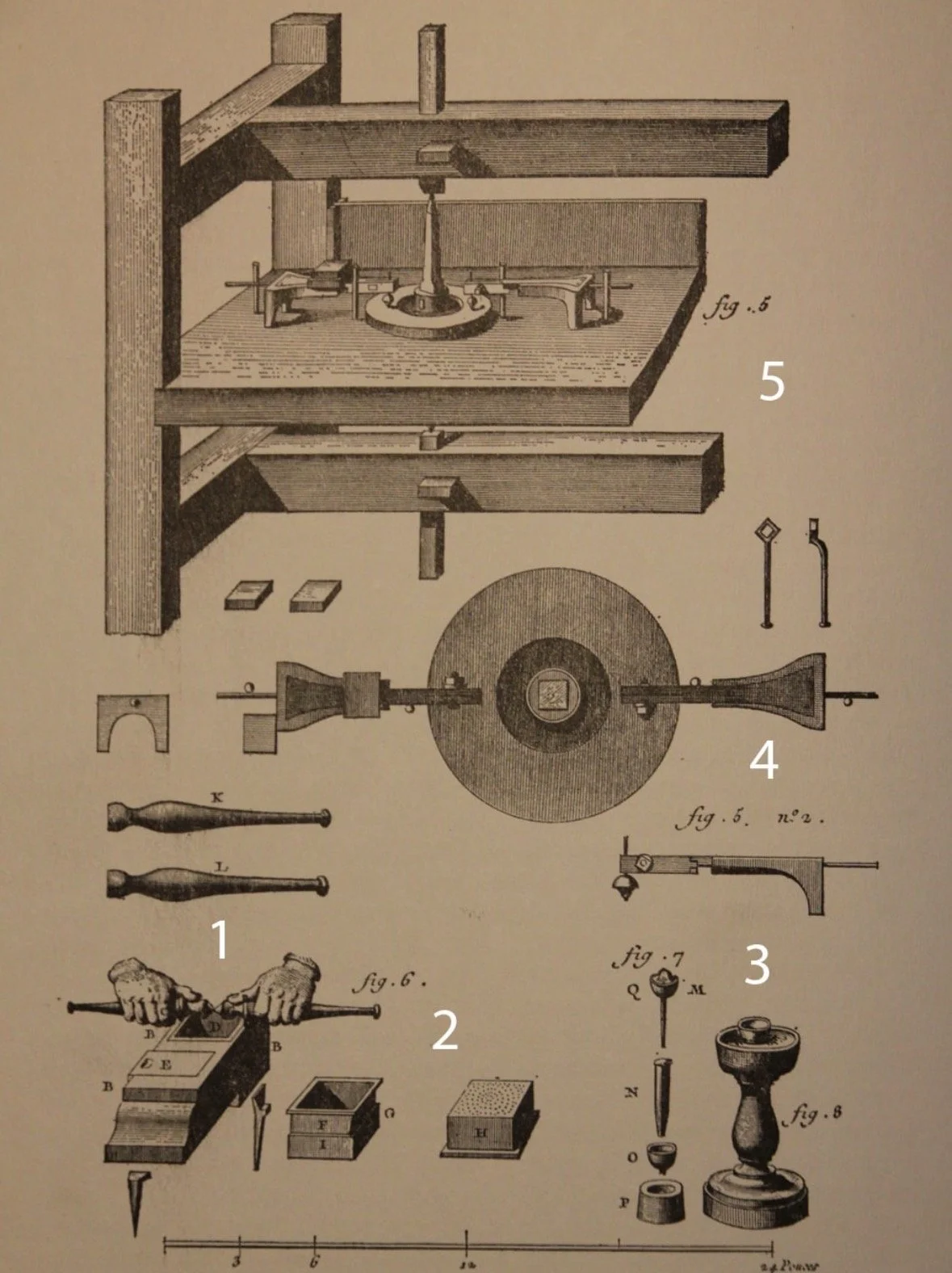
Cutting was done by hand
No electricity. No precision machines. Just:
Foot-powered wheels
Handheld tools
(Very patient) artisans
A cutter would follow the natural shape of the rough crystal. This gave each diamond a one-of-a-kind geometry—part science, part intuition, part magic.
Facets Were Chosen for Light From Candles
Old mine cuts were meant to look best in:
Candlelit parlors
Oil lamp–lit ballrooms
The warm glow of evening events
This is why their larger facets and deeper pavilions create that romantic, flickering sparkle—a completely different vibe from today’s laser-bright brilliance.
💎 Old Mine Cuts Through the Eras
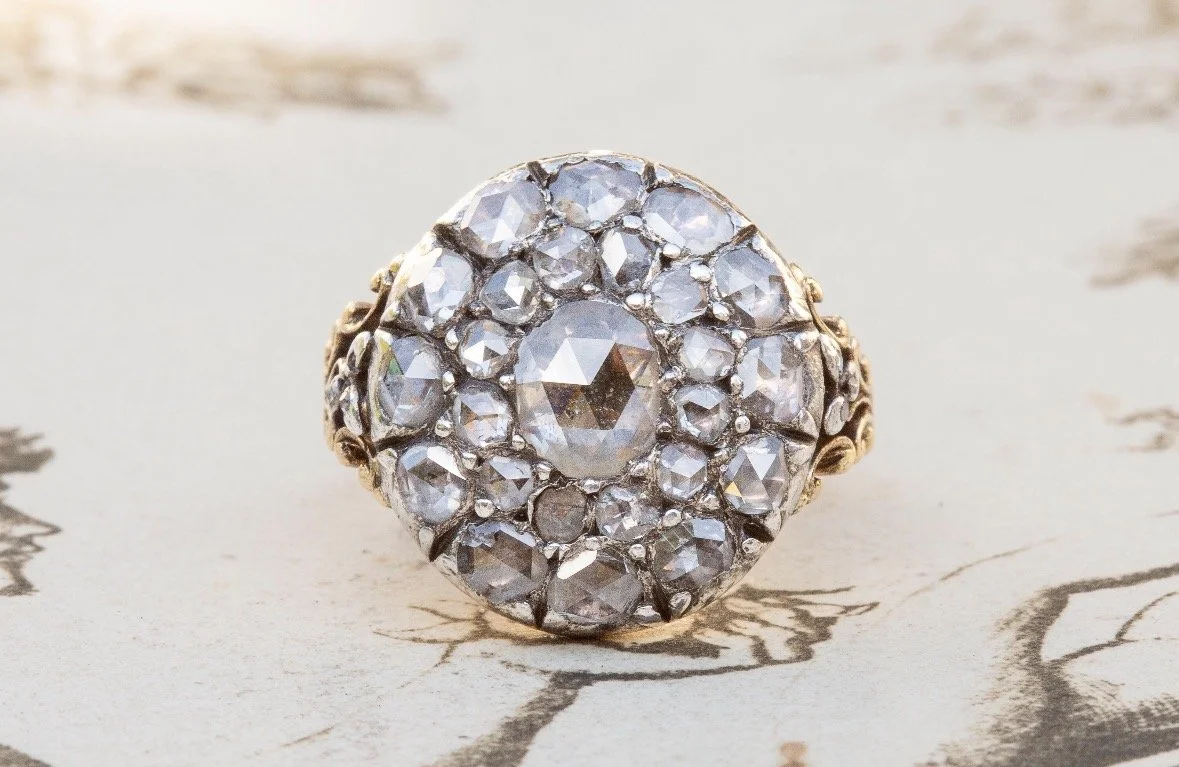
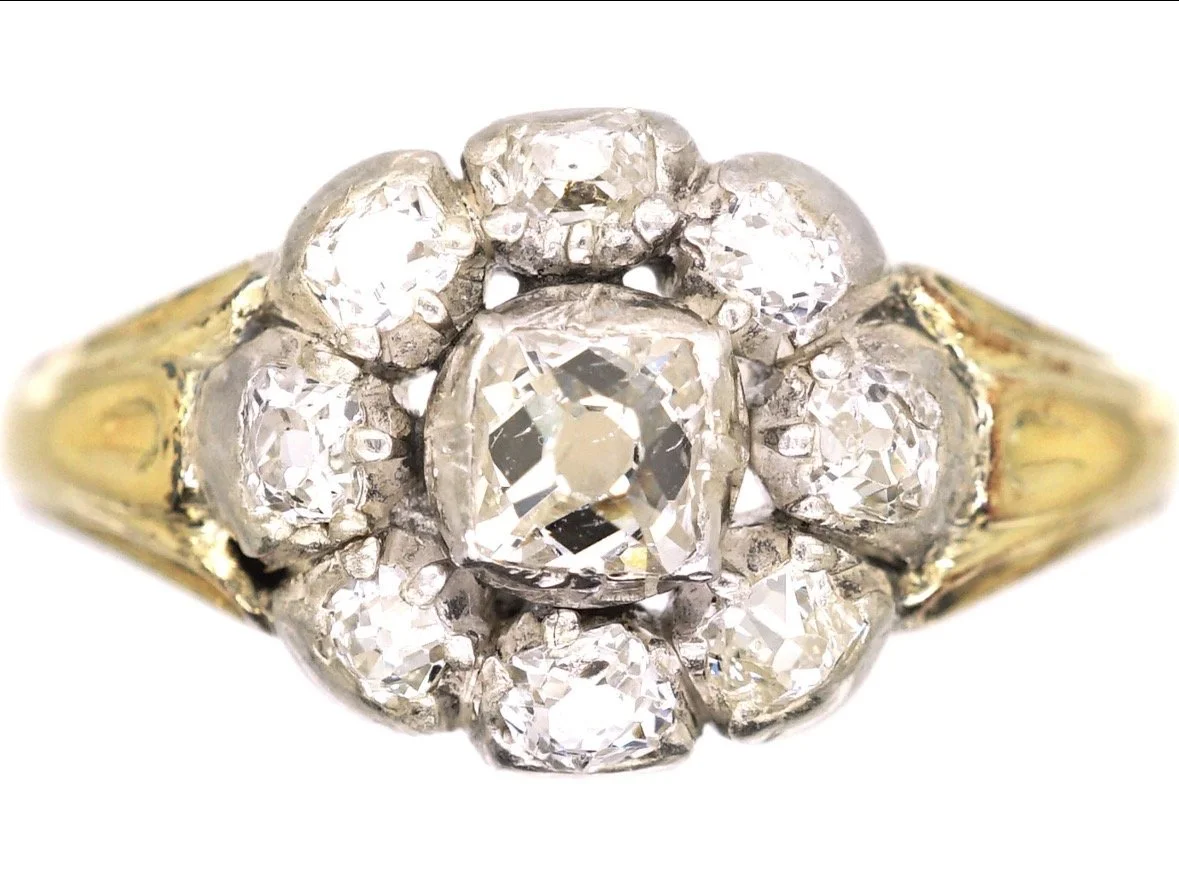
Georgian Era (1714–1837): The Beginning of the Glow
Diamonds were still rare and precious. Most Georgian jewelry used closed-back settings with foil underneath the stone to maximize sparkle.
Old mine cuts were not symmetrical—but that was the charm. Every stone looked handmade because it was.
Victorian Era (1837–1901): Diamonds for the Masses… Sort Of
With new diamond deposits in South Africa, diamonds became more accessible, and cutting techniques improved.
Old mine cuts gained:
More refined faceting
Slightly better symmetry
Greater popularity for engagement rings
This era also gave us many of the antique pieces that vintage collectors treasure today.
Edwardian Era (1901–1915): The Final Flourish
As technology improved, cutters began transitioning to what would eventually become the modern round brilliant.
How Old Mine Cuts Were Made: Handmade Imperfection = Magic
Unlike the perfectly cloned diamonds of today, old mine cuts were:
Cut by eye, not by math
Influenced by the natural shape of the rough
Incredibly labor-intensive
Each 100% unique
Cutter’s choices depended on:
The angle of natural crystal faces
How much weight they could preserve
The intended jewelry style
What would sparkle under candlelight
This means owning an old mine cut is like owning a piece of someone’s artistry from 150–300 years ago.
👑 Where Old Mine Cuts Showed Up: Royalty, Romance & Revolution
Old mine diamonds were worn by:
European nobility
Aristocrats at candlelit balls
Wealthy merchants during the rise of global trade
Victorian brides in sentimental jewelry
These diamonds lived through:
The Industrial Revolution
The rise and fall of empires
The invention of electricity
Centuries of craftsmanship
Some may have even been recut into modern diamonds—making surviving old mine cuts even more special.
Why We Still Love Old Mine Cuts Today
Collectors and vintage lovers adore them for their:
Warm, romantic sparkle
Visible history—every facet tells a story
Uniqueness in a world of mass production
Sustainable and ethical appeal (no new mining required!)
Chunky, charismatic presence
💍 Final Thoughts: A Cut That Will Never Go Out of Style
Old mine cut diamonds are more than gemstones—they’re survivors of centuries, works of art crafted by hand, and pieces of wearable history. Whether set in a Victorian ring or shining in a modern custom mounting, they bring a sense of romance and authenticity no modern cut can replicate.
If you love jewelry with a story, old mine cuts are the crown jewels of the vintage world.